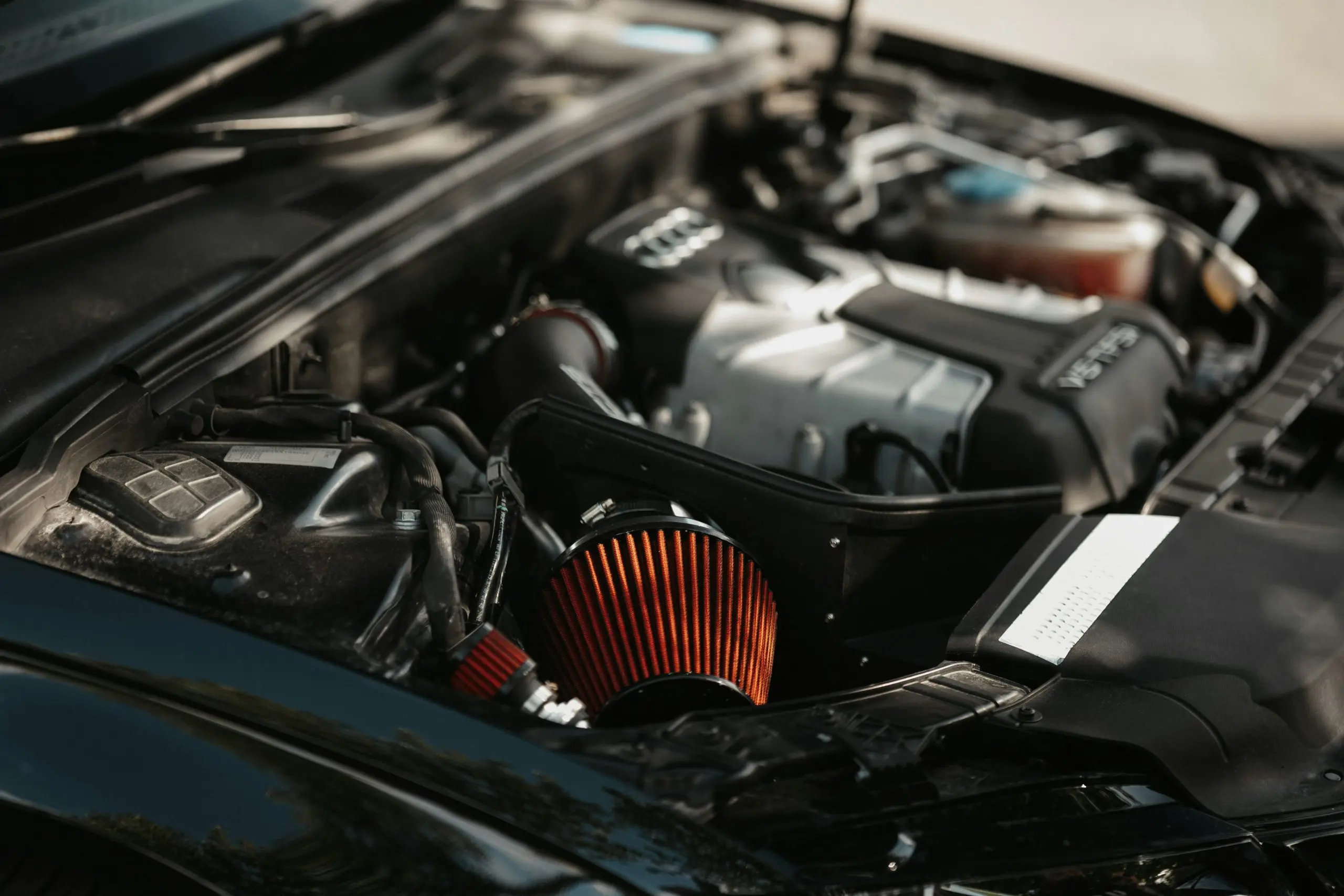
A burning smell coming from your Audi can be scary. Many drivers notice it after a long drive, while sitting in traffic, or right after parking the car. In most cases, this smell is not random. It often comes from oil leaks combined with engine heat. When oil drips onto hot engine parts, it burns and releases a sharp, unpleasant odor.
Understanding why this happens can help you act early, protect your engine, and avoid costly repairs. Let’s break it down in a simple, clear way.
Why a Burning Smell Is Common in Audi Vehicles
Audi engines are designed for performance. They run hot, are tightly packed, and use many seals and gaskets. Over time, these parts wear out. When oil escapes and lands on hot surfaces, heat does the rest.
The burning smell usually comes from:
- Engine oil touching hot metal
- Oil slowly cooking on exhaust parts
- Heat making small leaks worse
Because Audi engines sit close to the exhaust system, even a small leak can create a strong smell.
How Engine Heat Makes Oil Leaks Worse
Heat is a major factor in oil leak problems.
As your Audi engine warms up:
- Metal parts expand
- Rubber seals soften and crack
- Old gaskets lose their tight seal
Once oil leaks out, it often lands on:
- Exhaust manifolds
- Turbocharger housings
- Heat shields
These parts reach extremely high temperatures. When oil hits them, it burns instantly, creating smoke and a sharp burning oil smell that may enter the cabin through the vents.
Common Audi Oil Leak Sources That Cause Burning Smells
Valve Cover Gasket Leaks
This is one of the most common causes.
The valve cover sits on top of the engine and seals oil inside. Over time, the gasket hardens and cracks.
When it leaks:
- Oil drips down the sides of the engine
- It lands on hot exhaust components
- A burning smell appears, especially after driving
This smell is often strongest when the car is stopped.
Oil Filter Housing Leaks
Audi engines use oil filter housings with seals that can fail.
When these seals wear out:
- Oil leaks slowly under pressure
- It spreads across the engine block
- Heat turns it into a burning odor
Because the leak is small, drivers often smell it before they ever see oil on the ground.
Turbocharger Oil Leaks
Many Audi models are turbocharged. Turbos run extremely hot.
If turbo oil lines or seals leak:
- Oil drips directly onto turbo housings
- The smell is strong and sharp
- Smoke may appear after hard driving
This type of leak should never be ignored, as it can lead to turbo failure.
Rear Main Seal Leaks
The rear main seal sits between the engine and transmission.
When it leaks:
- Oil may drip onto hot exhaust pipes
- The smell can travel into the cabin
- The leak often worsens with engine heat
This repair is more serious and usually requires removing the transmission.
Oil Pan Gasket Leaks
Oil pan gaskets seal the bottom of the engine.
If damaged:
- Oil can spread across the underside
- Heat from nearby exhaust parts burns the oil
- The smell appears during longer drives
Road debris and heat cycles speed up gasket wear.
How Burning Oil Smell Enters the Cabin
Many Audi drivers notice the smell inside the car, not just under the hood.
This happens because:
- Engine heat pulls air upward
- The HVAC system draws in outside air
- Burned oil fumes enter through vents
You may notice the smell more:
- At idle
- After highway driving
- When the heater is on
This is a strong sign that oil is burning somewhere in the engine bay.
Warning Signs That Go Along With the Smell
A burning smell rarely comes alone. Watch for these signs:
- Smoke from the engine bay
- Oil spots under the car
- Low oil warning lights
- Oil level dropping faster than normal
- Burning smell after shutting off the engine
If you see smoke, stop driving and inspect the car as soon as it is safe.
Is It Safe to Drive With a Burning Oil Smell?
Short answer: it depends, but it is risky.
Small leaks may not cause immediate damage, but:
- Oil loss can lead to engine damage
- Oil on hot parts can start fires
- Heat can damage nearby sensors and wiring
If the smell is strong or constant, driving should be avoided until the cause is found.
How Mechanics Diagnose the Problem
A technician will usually:
- Inspect valve covers and gaskets
- Check oil filter housing seals
- Look for oil near exhaust parts
- Use UV dye to track hidden leaks
- Check turbo oil lines
Because Audi engines are compact, leaks are often easier to smell than to see.
Preventing Oil Leaks and Heat-Related Smells
You can reduce the risk by:
- Changing oil on time
- Using the correct Audi-approved oil
- Checking oil levels regularly
- Fixing small leaks early
- Avoiding overheating
Regular maintenance makes a big difference, especially in high-mileage Audi models.
Why Ignoring the Smell Can Cost You More
Many drivers ignore the smell until something fails.
Delaying repairs can lead to:
- Engine oil starvation
- Turbocharger damage
- Melted wiring and sensors
- Fire hazards
- Expensive engine repairs
A simple gasket replacement today can prevent a major repair tomorrow.
Final Thoughts
A burning smell in an Audi is often a warning sign of oil leaks meeting engine heat. These leaks may start small, but heat quickly turns them into serious problems. Paying attention to smells, smoke, and oil loss can save your engine and your wallet.
If your Audi smells like burning oil, don’t ignore it. Find the source, fix the leak, and keep your engine running strong and safe.