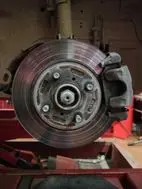
If you’ve noticed a puddle under your car after it’s been parked, you’re likely dealing with a gas leak, which can stem from several sources. Common culprits include a cracked fuel tank, deteriorated fuel lines, or a loose gas cap.
These issues not only reduce your car’s efficiency but also pose serious safety hazards and environmental concerns. Identifying and fixing these problems early is vital. You might wonder how to diagnose and repair these leaks effectively.
In the following sections, we’ll explore the tools and techniques that can help your car leaking gas when parked and make sure your vehicle remains safe and fuel-efficient. Why is it important to address these issues immediately? Let’s find out.
Identifying Common Leak Sources
If you notice a gasoline smell while your car is parked, it’s important to check for leaks from common sources such as the fuel tank, fuel lines, injectors, pump, or gas cap. You’re not alone in this many car owners experience similar issues.
A damaged fuel tank or faulty fuel injectors can easily lead to gas leaks. Even a simple issue like a bad gas cap might be the culprit. It’s essential to address these leaks promptly, not just for your car’s health, but for your safety and the environment.
Inspecting Fuel Lines
To guarantee your car’s safety and efficiency, regularly inspect the rubber fuel lines for signs of wear, cracks, or deterioration. Also, check for any discoloration or staining that might indicate a leak.
Make sure the clamps that secure the fuel lines to the frame are tight. Loose clamps can lead to leaks that not only compromise your car’s performance but also pose a safety risk. Use a flashlight to examine the condition of the rubber and clamps closely.
Checking the Fuel Tank
Before you drive off, always check the fuel tank for any visible damage like rust, punctures, or cracks that could lead to gas leakage. It’s important to keep your car running smoothly and safely. Here are a few steps to help you make sure the gas tank is in good shape:
- Inspect for Wet Spots: Look under your vehicle for any signs of wet spots or puddles. This could indicate a leak from the gas tank.
- Secure Mounting: Ensure the fuel tank is securely mounted and all connections are tight.
- Seek Professional Help: If you notice a persistent smell of gas or suspect damaged fuel components, don’t hesitate to visit a repair shop.
Evaluating the Gas Cap
After checking the fuel tank, also examine the gas cap to make sure it’s not causing leaks when your car is parked. A faulty gas cap can be a sneaky culprit behind gas leaks. Inspecting this small but essential component for any signs of cracks or wear is your job. If you spot damage, don’t hesitate to replace the cap.
Keeping up with the maintenance of your gas cap is important, not just for preventing leaks, but also for ensuring your vehicle feels like part of your family’s safe haven. A well-maintained gas cap helps keep the fuel system efficient and secure, giving you peace of mind that you’re taking the best care of your car.
Carburetor Issues and Fixes
Identifying carburetor leaks involves checking for fuel-soaked gaskets, which often signal potential issues. When you detect a fuel smell, it’s important to address the leak early to prevent a fire hazard.
Here’s how you can pinpoint and fix carburetor leaks effectively:
- Inspect Gaskets: Look for any gaskets that are soaked with fuel. These are often found between the carburetor’s parts and can be a telltale sign of leakage.
- Check Bolts: Make sure all carburetor bolts are secure. Loose bolts can lead to gas tank leaks and worsen over time.
- Tighten Fuel Inlet: Confirm that the fuel filter housing and fuel inlet line to the carburetor are tight.
To optimize your car’s performance, you’ll need to adjust the carburetor settings, tuning the air-fuel mixture to just the right balance. Doing so not only enhances your ride but also strengthens your connection to your vehicle, making you an integral part of its care.
When you notice a fuel leak, it’s often a sign that the carburetor settings are off. Confirm the fuel filter housing and the fuel inlet line are tight; these are common culprits for gas leaks.
Professional Diagnostic Tools
Professional diagnostic tools can quickly help you pinpoint the exact source of a gas leak in your parked car. Here’s how these tools make a difference:
- System Pressure Sensor: This tool checks the pressure within your gas tanks, identifying drops that might suggest a leak.
- Fuel Pressure Gauges: They detect faulty fuel lines or injectors, common causes of fuel leaks.
- Advanced Scan Tools: These provide a thorough diagnosis, ensuring that no potential issue is overlooked.
Preventative Measures and Tips
To prevent gas leaks when your car is parked, regularly inspect the fuel tank and lines for any signs of wear or damage. Make sure the gas cap is tightly sealed to avoid fuel vapor escaping and forming a gas cloud in your garage.
Parking on a level surface helps maintain even fuel pressure and reduces stress on your car’s fuel system, minimizing the chance of a leak in your car. Don’t forget to check the charcoal canister too; it’s essential for capturing fuel vapors and preventing them from polluting the air.
Conclusion
Now that you’ve pinpointed potential leak sources, inspected fuel lines, and checked your fuel tank, don’t overlook your gas cap and carburetor.
Regularly maintaining seals and gaskets, alongside using professional diagnostic tools, will keep your car leak-free and road-ready.
Remember, staying ahead with preventative measures not only safeguards your vehicle but also protects your safety.
So, tighten that gas cap, replace worn parts, and guarantee a smoother, safer drive every time you hit the road.