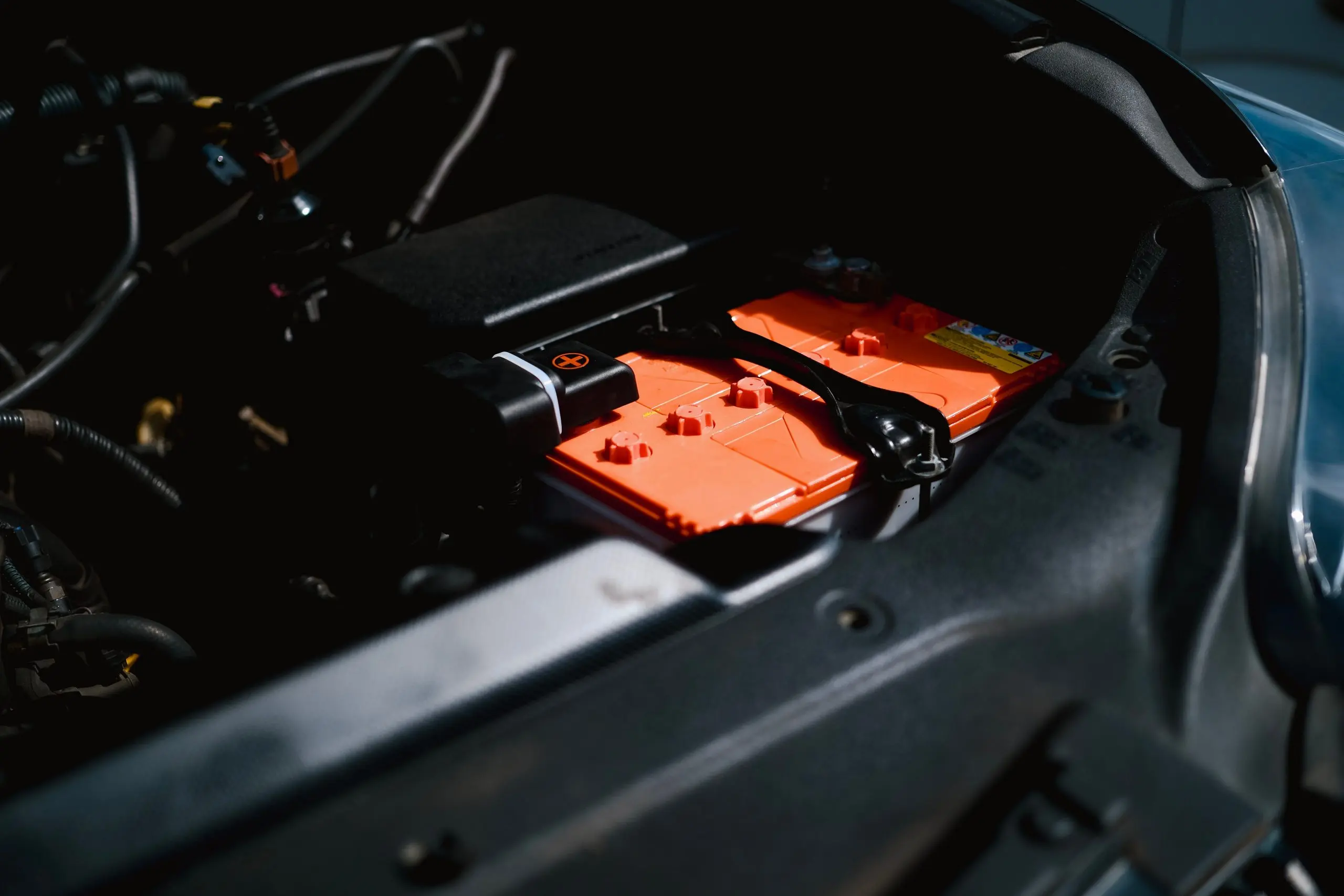
Hybrid vehicles are known for saving fuel and running efficiently, but they rely heavily on one key part—the hybrid battery.
When this battery starts to overheat, it can affect performance, safety, and long-term cost. The problem is that overheating doesn’t always come with a clear warning light at first. Instead, your car gives subtle signs that many drivers overlook.
Understanding these signs early can help you prevent serious damage and expensive repairs.
Why Hybrid Battery Overheating Matters
Hybrid batteries are designed to work within a specific temperature range. When they get too hot, the battery cells can degrade faster, lose their ability to hold a charge, or even shut down to protect themselves. In extreme cases, overheating can reduce battery life by years.
Overheating is often caused by blocked cooling vents, a failing battery cooling fan, heavy driving in hot weather, or aging battery cells.
Warning Lights on the Dashboard
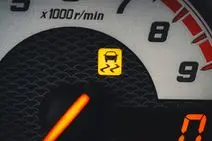
One of the most obvious signs is a warning light on your dashboard. This may appear as a hybrid system warning, battery warning, or check engine light.
Sometimes the message may say something like “Hybrid System Overheating” or “Reduced Power Mode.” Even if the light turns off later, it should not be ignored. Hybrid systems often reduce power temporarily to cool down the battery.
Reduced Fuel Efficiency
If your hybrid battery is overheating, your fuel economy may suddenly drop. The car may rely more on the gas engine because the battery cannot safely deliver power.
You might notice:
- Fewer electric-only driving moments
- The gas engine running more often than usual
- Lower miles per gallon without a clear reason
This happens because the system protects the battery by limiting its use.
Weak or Sluggish Acceleration
Overheating batteries struggle to deliver power. If your car feels slow when accelerating or hesitates when you press the gas pedal, overheating could be the cause.
This is especially noticeable:
- When driving uphill
- During quick acceleration
- After long drives in hot weather
The car may feel heavy or unresponsive, even though the engine seems fine.
Battery Cooling Fan Noise Getting Louder
Hybrid batteries use cooling fans to keep temperatures under control. When the battery overheats, the fan often works harder and louder.
You may hear:
- A loud whirring or humming noise from the rear seat area
- Fan noise that continues even after parking
- Fan noise becoming louder over time
A constantly loud fan often means the battery is running hotter than it should.
Interior Air Vents Blowing Warm Air Unexpectedly
In many hybrids, the battery cooling system pulls air from inside the cabin. If vents that normally blow cool air suddenly feel warm or weak, it may be a sign the system is struggling to manage heat.
Blocked interior vents, pet hair, dust, or debris can make this worse and cause overheating faster.
Sudden Loss of Electric Power While Driving
Another clear sign is when the electric motor suddenly stops assisting while driving. The car may switch fully to the gas engine without warning.
This can happen:
- In traffic
- On long highway drives
- During hot weather
The system does this to protect the battery from heat damage.
Strong or Unusual Smells
Overheating batteries can sometimes produce unusual smells. While rare, this should be taken seriously.
Possible smells include:
- A hot plastic smell
- A chemical or burning odor
- A musty smell from air vents
If you notice any strong or strange smells, stop driving and have the vehicle checked immediately.
Frequent Battery Charge Drops
If your hybrid battery charge level drops quickly after being fully charged, overheating may be damaging the battery cells.
You might notice:
- The battery drains faster than before
- Charge levels jump up and down
- Electric mode does not last long
Heat causes internal resistance in battery cells, which reduces their ability to store energy.
Reduced Performance in Hot Weather
While all batteries are affected by heat, a healthy hybrid battery should still perform reasonably well. If your car struggles badly during warm days but runs better at night or in cooler weather, overheating is a strong possibility.
This pattern often points to cooling system issues rather than general wear.
What Causes Hybrid Battery Overheating
Common causes include:
- Clogged battery cooling vents
- Dirty or failing battery cooling fans
- Extreme outdoor temperatures
- Long drives without breaks
- Aging battery cells
Regular maintenance can prevent many of these problems.
What You Should Do If You Notice These Signs
If you suspect your hybrid battery is overheating:
- Check and clean interior battery air vents
- Avoid aggressive driving in hot weather
- Park in shaded or covered areas
- Have the battery cooling fan inspected
- Get a professional hybrid system diagnostic
Early action can prevent permanent battery damage.
Final Thoughts
Hybrid battery overheating is a serious issue, but it rarely happens without warning. Reduced fuel economy, weak acceleration, loud fan noise, and frequent charge drops are all signs your car is trying to protect itself.
Paying attention to these signals and acting early can extend the life of your hybrid battery, improve performance, and save you from costly repairs. A well-maintained cooling system is just as important as the battery itself.