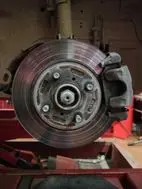
If you drive a BMW, seeing a “Drivetrain Malfunction” warning on the dashboard can be stressful. The car may suddenly lose power, hesitate, or go into limp mode. Many drivers panic because the message sounds serious—and sometimes it is. But not every drivetrain malfunction means your BMW is about to fail completely.
This guide explains what a BMW drivetrain malfunction really means, the common symptoms, the main causes, and how much repairs usually cost, using simple language and real-world examples.
What Does BMW Drivetrain Malfunction Mean?
The drivetrain includes everything that sends power from the engine to the wheels. This covers the engine, transmission, driveshaft, differentials, and related electronics.
When BMW displays a drivetrain malfunction warning, it means the car’s computer has detected a problem affecting power delivery or performance. To protect the engine or transmission, the system may limit speed or throttle response.
This warning does not point to one single part. Instead, it signals that something in the powertrain system is not working correctly.
Common BMW Drivetrain Malfunction Symptoms
BMW drivetrain problems usually come with noticeable driving changes. Some symptoms appear suddenly, while others build over time.
Loss of Power
One of the most common signs is reduced acceleration. The car may feel weak, especially when merging or climbing hills. This happens when the system limits engine output to prevent damage.
Limp Mode
BMW often puts the vehicle into limp mode during a drivetrain malfunction. In this mode, the car restricts speed and engine power so you can drive safely to a repair shop.
Rough Shifting or Jerking
You may feel hard gear changes, hesitation, or jerking when accelerating. This can point to transmission issues, misfires, or sensor failures.
Check Engine Light
The drivetrain warning often appears with the check engine light. This usually means the issue involves engine management, fuel delivery, or ignition timing.
Engine Misfires
A shaking engine, rough idle, or hesitation under load can trigger the drivetrain warning. Misfires are common causes and should never be ignored.
Warning Appears Under Hard Acceleration
Many BMW owners report the warning showing up when accelerating quickly or driving at highway speeds. This often relates to turbo, fuel pressure, or ignition problems.
Main Causes of BMW Drivetrain Malfunction
BMW drivetrain warnings can come from both minor and serious issues. Below are the most common causes technicians see.
Ignition Coil or Spark Plug Failure
BMW engines are sensitive to ignition problems. A weak coil or worn spark plug can cause misfires, which quickly trigger drivetrain warnings.
This is one of the most common and affordable causes.
Fuel System Problems
Low fuel pressure, clogged injectors, or a failing high-pressure fuel pump can interrupt proper combustion. When the engine does not get the fuel it needs, performance drops and the drivetrain warning appears.
Turbocharger Issues
Turbocharged BMW engines rely on precise boost control. A boost leak, faulty wastegate, or failing turbo sensor can cause sudden power loss and drivetrain errors.
Transmission Software or Sensor Faults
Sometimes the transmission itself is fine, but a sensor or software glitch causes incorrect data. BMW relies heavily on electronics, and even small signal errors can trigger warnings.
Throttle Body or Pedal Sensor Issues
If the throttle body sticks or the accelerator pedal sensor sends incorrect signals, the engine computer may reduce power as a safety measure.
Overheating or Cooling System Problems
High engine temperatures can force the drivetrain system to limit performance. Cooling system faults can indirectly cause drivetrain malfunction messages.
Battery or Electrical Problems
BMWs are very sensitive to voltage changes. A weak battery or failing alternator can cause multiple warning lights, including drivetrain malfunction.
Can You Keep Driving With a Drivetrain Malfunction?
It depends on how the car behaves.
If the car:
- Drives normally
- Has no strong vibrations
- Shows the warning briefly and then clears
You may be able to drive short distances carefully.
However, do not continue driving if:
- The car is shaking badly
- Power is severely reduced
- The engine light is flashing
- The warning stays on constantly
Driving with a serious drivetrain problem can cause engine or transmission damage, leading to very expensive repairs.
How BMW Drivetrain Malfunctions Are Diagnosed
A proper diagnosis requires a BMW-capable scan tool. Generic scanners may miss important manufacturer-specific codes.
A technician will:
- Read fault codes from engine and transmission modules
- Check misfire data and fuel pressure readings
- Inspect ignition components
- Test sensors and wiring
- Perform software checks if needed
Accurate diagnosis is critical because replacing the wrong part can waste time and money.
BMW Drivetrain Malfunction Repair Costs
Repair costs vary widely depending on the cause. Below are typical cost ranges you might expect.
Spark Plugs or Ignition Coils
- Cost: $200 – $600
- Good news: This is one of the most common and least expensive fixes.
Fuel Injectors or Fuel Pump
- Cost: $600 – $2,500
- Direct injection systems are precise but costly to repair.
Turbocharger Repairs
- Cost: $1,200 – $4,000
- Costs depend on whether the issue is a sensor, boost leak, or turbo failure.
Throttle Body or Sensors
- Cost: $300 – $1,000
- Often solved with part replacement and calibration.
Transmission Repairs
- Cost: $1,500 – $6,000+
- Software issues may be inexpensive, but mechanical transmission damage is costly.
Battery or Electrical Fixes
- Cost: $250 – $600
- Simple battery replacement can sometimes solve multiple warnings.
How to Reduce the Risk of Drivetrain Problems
BMWs perform best when properly maintained. Simple habits can prevent many drivetrain issues.
- Replace spark plugs and coils on schedule
- Use high-quality fuel
- Keep the battery in good condition
- Fix small engine warnings early
- Avoid aggressive driving when warning lights appear
Ignoring early symptoms often turns small repairs into major ones.
Final Thoughts
A BMW drivetrain malfunction warning is serious, but it does not always mean catastrophic failure. Many issues start small—like a coil or sensor—and grow worse if ignored.
Pay attention to how the car drives, get a proper diagnostic scan, and fix problems early. Doing so can protect your engine, save money, and keep your BMW performing the way it was designed to.
Handled correctly, a drivetrain malfunction is often a warning—not the end of the road.