Rear brakes locking up while driving is a serious problem. It can make your car skid, pull to one side, or lose control—especially on wet roads.
If this is happening, it means something in your braking system is not working the way it should. The good news is that many of the causes are common and fixable.
This guide explains why rear brakes lock up, how to diagnose the problem, and what you can do to fix it, all in simple, clear language.
Why Rear Brakes Lock Up
Your braking system is designed to apply more braking power to the front wheels than the rear. When rear brakes lock up, that balance is lost. Here are the most common reasons this happens.
1. Stuck or Faulty Brake Calipers
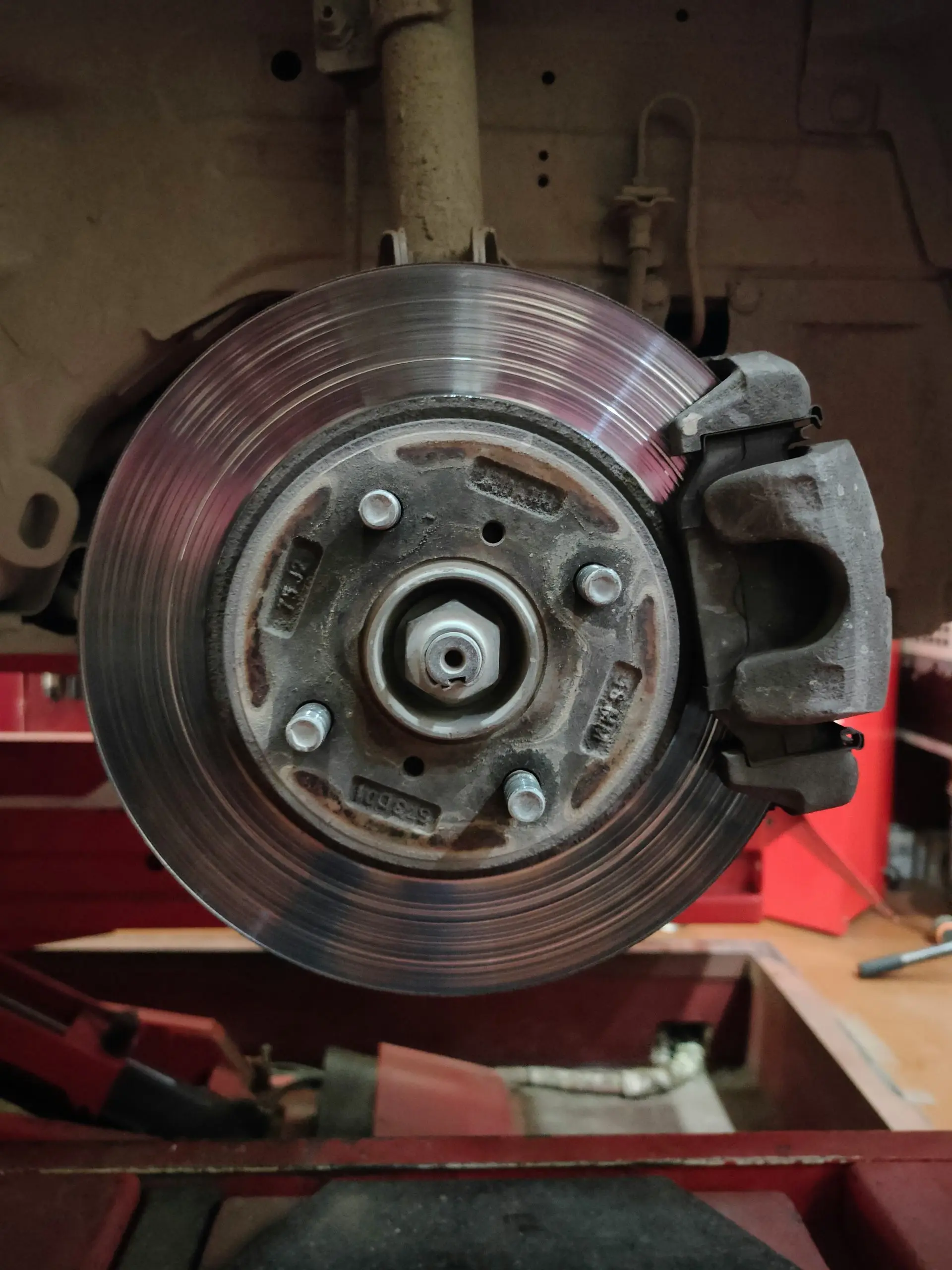
Brake calipers squeeze the brake pads against the rotor. If a caliper gets stuck, it may not release fully after braking. This causes constant pressure on the rear wheels, leading to lock-up.
Signs:
- Burning smell from rear wheels
- One rear wheel hotter than the other
- Poor fuel economy
2. Contaminated or Glazed Brake Pads
Brake pads that are soaked with brake fluid, oil, or grease can grab suddenly instead of slowing smoothly. Glazed pads can also cause uneven braking.
Signs:
- Jerky or sudden braking
- Squealing or grinding noises
3. Faulty Brake Proportioning Valve
The proportioning valve controls how much brake pressure goes to the rear wheels. If it fails, too much pressure can reach the rear brakes, causing them to lock up easily.
Signs:
- Rear wheels lock before front wheels
- Car skids during light braking
4. Parking Brake Problems
A stuck or poorly adjusted parking brake cable can partially engage the rear brakes even when the brake is released.
Signs:
- Car slows down without braking
- Parking brake feels loose or stiff
5. ABS System Malfunction
Modern cars use ABS (Anti-lock Braking System) to prevent wheel lock-up. If a wheel speed sensor or ABS module fails, the system may not work correctly.
Signs:
- ABS warning light on
- Rear wheels lock during hard braking
6. Old or Contaminated Brake Fluid
Brake fluid absorbs moisture over time. Moisture lowers braking performance and can cause uneven pressure in the system.
Signs:
- Spongy brake pedal
- Inconsistent braking
How to Diagnose Rear Brake Lock-Up
Before fixing the issue, you need to identify the cause.
Step 1: Inspect the Rear Wheels
After a short drive, carefully check if one rear wheel is hotter than the other. A hot wheel often means a stuck caliper or dragging brake.
Step 2: Check Brake Pads and Rotors
Remove the rear wheels and inspect the pads. Look for uneven wear, glazing, or fluid contamination.
Step 3: Test the Parking Brake
Release the parking brake fully and see if the rear wheels spin freely when lifted off the ground.
Step 4: Scan for ABS Codes
If your ABS light is on, use a scan tool to check for error codes. This can quickly point to sensor or module issues.
Step 5: Inspect Brake Fluid
Check the fluid color. Clean fluid is light yellow. Dark or cloudy fluid needs replacement.
How to Fix Rear Brakes Locking Up
Once you know the cause, you can move on to the fix.
Fix 1: Repair or Replace Stuck Calipers
- Remove the caliper
- Clean and lubricate slide pins
- Replace the caliper if it’s seized
This is one of the most common and effective fixes.
Fix 2: Replace Contaminated Brake Pads
If pads are soaked with fluid or grease, they must be replaced. Cleaning usually doesn’t work.
Always replace pads in pairs on the same axle.
Fix 3: Adjust or Replace the Parking Brake Cable
- Check for rust or binding
- Adjust tension properly
- Replace damaged cables
This ensures the rear brakes fully release when driving.
Fix 4: Replace the Brake Proportioning Valve
If the valve is sending too much pressure to the rear brakes, replacement is usually required. This job may need professional tools.
Fix 5: Repair ABS Components
- Replace faulty wheel speed sensors
- Repair damaged wiring
- Reset or replace the ABS module if needed
A working ABS system greatly reduces brake lock-up risk.
Fix 6: Flush and Replace Brake Fluid
Brake fluid should be flushed every 2–3 years. Fresh fluid restores proper pressure balance and braking response.
Safety Tips While Dealing With Brake Lock-Up
- Avoid hard braking until the issue is fixed
- Drive at lower speeds
- Keep extra distance from other vehicles
- Do not ignore warning lights
If the car becomes hard to control, stop driving it immediately.
Can You Drive With Rear Brakes Locking Up?
No—this is unsafe. Rear brake lock-up can cause:
- Loss of steering control
- Sudden skidding
- Increased stopping distance
Driving in this condition puts you and others at serious risk.
When to See a Mechanic
You should seek professional help if:
- ABS system repairs are needed
- Brake proportioning valve replacement is required
- Lock-up continues after basic repairs
Brake systems are critical to safety, and some repairs require specialized tools.
Final Thoughts
Rear brakes locking up while driving is not something to ignore. It usually points to a mechanical or hydraulic issue that needs attention. By understanding the causes, checking the right components, and applying the correct fix, you can restore safe and smooth braking.
Fixing the problem early not only improves safety—it can also save you money by preventing further damage. If you’re ever unsure, getting a professional inspection is always the smart move.