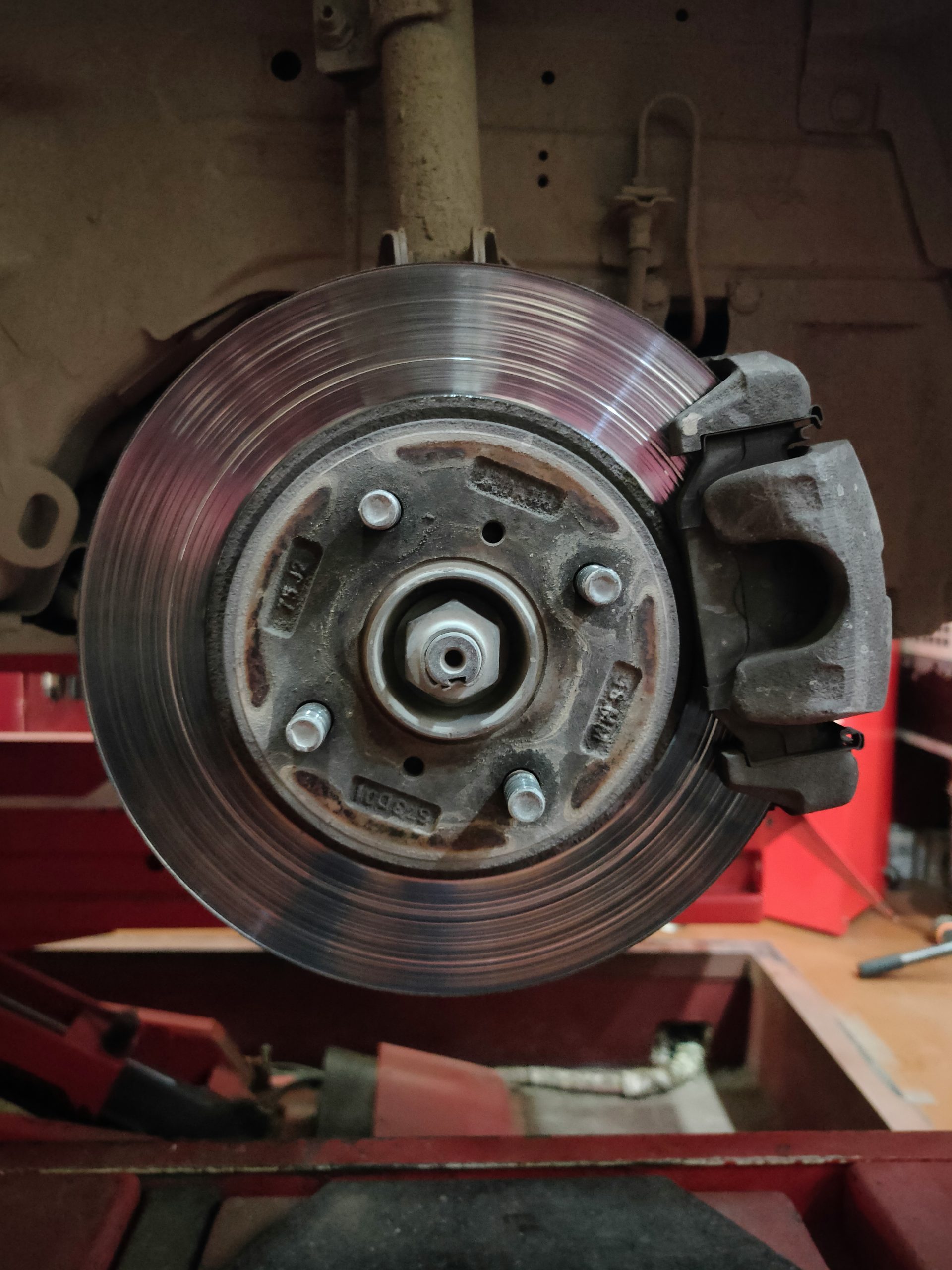
When it comes to car maintenance, most people remember to check the engine oil or fill up the gas tank. But one important part that often gets overlooked is brake fluid. Your vehicle’s braking system depends on this fluid to work properly.
If your brake fluid is low or dirty, your brakes won’t respond the way they should—and that can be dangerous.
In this guide, you’ll learn how to check brake fluid level in your vehicle the easy and safe way. Don’t worry if you’re not a car expert—this guide is written for beginners and explains everything in simple terms.
What is Brake Fluid, and Why Does It Matter?
Brake fluid is a special liquid found in your car’s braking system. When you press the brake pedal, the fluid transfers the force from your foot into pressure that slows down the wheels. Without brake fluid, the braking system wouldn’t work at all.
Over time, brake fluid can:
- Drop below the minimum level
- Absorb moisture from the air (making it less effective)
- Become dirty from particles or rust inside the brake system
If your brake fluid is too low or dirty, you might notice:
- A soft or “spongy” feeling when you press the brake
- Delayed stopping time
- Brake warning lights on the dashboard
- A complete loss of braking power in serious cases
That’s why it’s important to check your brake fluid regularly—just like you do with engine oil or coolant.
When Should You Check Brake Fluid?
You don’t need to check brake fluid every day, but you should keep an eye on it during regular maintenance. Here are a few good times to check:
- Every time you change the oil – every 3,000 to 5,000 miles
- If the brake warning light comes on – that light is there for a reason!
- If your brakes feel different – soft, slow, or noisy brakes are a red flag
- If you spot leaks under your car – especially around the wheels or engine bay
- Before long road trips – make sure everything’s in top shape
If you follow these checks, you’ll catch problems early and avoid serious issues down the road.
What You’ll Need to Check Brake Fluid
You don’t need fancy tools or a mechanic’s workshop. Here’s what you need:
- A clean cloth or paper towel – to wipe off any dirt or spills
- A flashlight – optional, but helpful if the engine bay is dark
- Owner’s manual – to find your brake fluid type and reservoir location
That’s it! Most cars are designed so regular drivers can check this without help.
Step-by-Step: How to Check Brake Fluid
Let’s walk through each step clearly so you feel confident doing it yourself.
Step 1: Park Safely and Turn Off the Engine
Before doing anything under the hood, make sure your car is:
- On a flat surface
- In park (or gear, if it’s manual)
- With the engine off
- Cool to the touch (especially if you’ve been driving recently)
Open the hood using the release lever inside your car. If you’re unsure how to do this, check your owner’s manual for help.
Step 2: Find the Brake Fluid Reservoir
The brake fluid reservoir is usually a small, plastic container found near the back of the engine bay—usually toward the driver’s side. It’s often attached to a metal part called the master cylinder.
Most reservoirs are labeled with “Brake Fluid” on the cap. If you’re not sure, again, the owner’s manual is your friend.
Step 3: Look at the Fluid Level
Good news—you don’t need to open the cap in most cases.
Brake fluid reservoirs are usually see-through, so you can look at the side and check the level. You’ll see “MIN” and “MAX” lines marked on the plastic.
- If the fluid is between the two lines, everything is fine.
- If it’s at or below MIN, that’s a sign of trouble. You might need to add fluid, or there may be a leak.
Use a flashlight to help you see the level clearly if needed.
Step 4: Check the Color of the Fluid
While you’re looking at the level, take a peek at the color too.
Fresh brake fluid is usually:
- Clear
- Light yellow or golden
If the fluid is:
- Dark brown
- Black
- Cloudy
…it means the fluid is old and possibly contaminated. Dirty fluid can damage your braking system, so it’s a good idea to have it replaced by a professional.
What to Do If Brake Fluid Is Low
If the brake fluid level is too low, don’t rush to refill it right away.
First, figure out why it’s low:
- Brake pads may be worn – as pads wear down, the fluid level naturally drops
- There could be a leak – look around the wheels, master cylinder, and under the car
- There could be air in the lines – this affects brake pressure and needs to be bled out
If you do need to add fluid:
- Check your owner’s manual to find the correct type (e.g., DOT 3, DOT 4, DOT 5.1)
- Clean the reservoir cap before opening to prevent dirt from falling in
- Add the fluid slowly to the MAX line—don’t overfill
- Close the cap tightly and wipe any spills
If you’re unsure, it’s always best to have a mechanic inspect it. Low brake fluid is often a symptom of a bigger problem.
How Often Should Brake Fluid Be Replaced?
Even if the level looks good, brake fluid wears out over time.
Most automakers recommend a full brake fluid change:
- Every 2–3 years
- Or every 30,000 to 45,000 miles
Why? Because brake fluid absorbs moisture over time. This reduces its boiling point, which can lead to brake fade—where your brakes stop working properly when they get hot.
If the fluid is dirty or old, don’t wait. It’s better to be safe and get it replaced.
Warning Signs of Brake Fluid Problems
Watch for these red flags:
- Soft or spongy brake pedal
- Longer stopping distance
- Brake warning light stays on
- Squealing or grinding noises
- Visible leaks under the car
If you notice any of these, check your fluid and talk to a professional.
Safety Reminders
- Never mix different types of brake fluid. They don’t work well together.
- Don’t touch the fluid with bare hands. It can irritate skin and damage paint or plastic.
- Store extra fluid safely—in a cool, dry place, and keep the cap tight.
- Clean any spills immediately, especially if it touches the car’s body or engine parts.
Final Thoughts
Checking your brake fluid is quick, easy, and essential for safe driving. Start by parking your car on a flat surface, turning off the engine, and opening the hood.
Find the brake fluid reservoir—usually a clear container labeled “Brake Fluid.” Check that the fluid is between the “MIN” and “MAX” lines and that it’s light yellow or clear. If it’s low or dark, you may need to top it off or get it changed.
Always use the right type of fluid listed in your manual. Regular checks help prevent brake failure and keep your vehicle running safely and smoothly.